
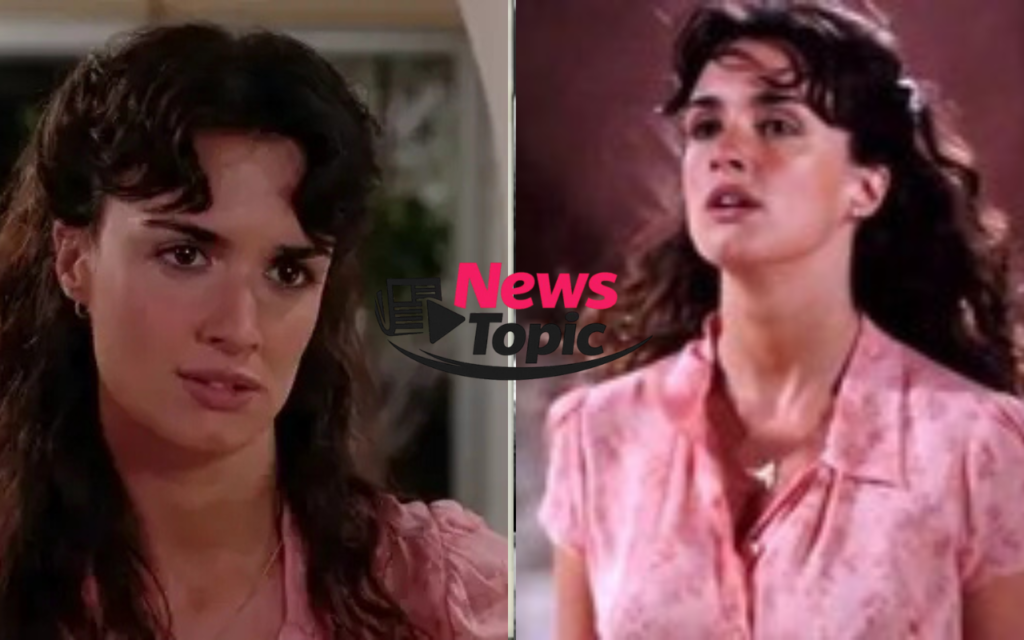

The 2004 film Spanglish, written and directed by James L. Brooks, is one of the most emotionally layered American romantic comedy-dramas of the early 2000s. Known for blending humor with deep social commentary, the movie explores themes of immigration, class differences, motherhood, identity, and communication barriers between cultures.
At the center of its success is a powerful ensemble cast led by Adam Sandler, Téa Leoni, and Paz Vega, supported by a carefully chosen group of supporting actors who bring emotional depth to the Clasky family and the story of Flor Moreno and her daughter Cristina.
This complete article explores the Spanglish cast (2004) in detail, including character breakdowns, production background, acting performances, cultural meaning, and related search topics such as Spanglish movie cast, Spanglish actors, Adam Sandler Spanglish role, Paz Vega Flor Moreno, Téa Leoni Deborah Clasky, and more.
Spanglish (2004) Film Overview and Production Background
Spanglish was released in December 2004 by Sony Pictures Releasing and produced by Gracie Films. It was directed and written by James L. Brooks, a filmmaker known for emotionally driven storytelling in films like Terms of Endearment and As Good as It Gets.
The movie runs for approximately 131 minutes and blends comedy, drama, and romance, while focusing on cultural clashes in an affluent Los Angeles household.
The story follows Flor Moreno, a Mexican immigrant mother who becomes a housekeeper for the wealthy Clasky family. As she struggles with language barriers and cultural differences, emotional tensions rise between families and individuals.
The cast plays a crucial role in expressing these themes, especially through subtle emotional performances rather than exaggerated drama.
Main Spanglish Cast and Character Breakdown
Adam Sandler as John Clasky
Adam Sandler delivers one of his most critically discussed dramatic performances as John Clasky, a successful Los Angeles chef and family patriarch.
John is portrayed as:
- Kind-hearted and emotionally gentle
- Caught in an unhappy marriage
- Struggling to balance family pressure and emotional needs
- Quietly drawn to Flor’s sincerity and strength
Unlike Sandler’s typical comedic roles, John Clasky is restrained and introspective. His character represents emotional confusion in upper-class American family life, where wealth does not guarantee happiness.
Critics often highlight this role as part of Sandler’s transition into serious acting, alongside later films such as Punch-Drunk Love and Uncut Gems.
Téa Leoni as Deborah Clasky
Téa Leoni plays Deborah Clasky, John’s wife, and one of the film’s most complex characters.
Deborah is:
- Wealthy and socially conscious
- Obsessed with parenting methods and perfection
- Emotionally insecure and controlling
- Often unintentionally harmful to her children
Her behavior reflects deeper psychological themes:
- Fear of inadequacy
- Desire for control over her family environment
- Social comparison and identity crisis
Deborah’s relationship with Flor becomes one of the central conflicts of the story. Her attempts to shape Flor’s daughter Cristina reflect both admiration and insecurity.
Leoni’s performance adds tension and emotional unpredictability to the film, making Deborah both sympathetic and frustrating.
Paz Vega as Flor Moreno
Spanish actress Paz Vega plays Flor Moreno, the emotional heart of Spanglish.
Flor is a Mexican immigrant mother who moves to the United States seeking a better life for her daughter, Cristina. She works as a housekeeper for the Clasky family.
Her character is defined by:
- Strong maternal instincts
- Moral integrity and emotional resilience
- Limited English communication skills
- Deep cultural identity rooted in sacrifice and love
Flor represents the immigrant experience:
- Working-class struggle in America
- Language barriers (“Spanglish” communication)
- Cultural preservation vs assimilation
- Sacrifice for a better future
Paz Vega’s performance was widely praised for its emotional authenticity, especially considering she was relatively new to English-language acting at the time of filming.
Cloris Leachman as Evelyn Wright
Legendary actress Cloris Leachman plays Evelyn Wright, Deborah’s mother.
Evelyn adds:
- Humor and emotional contrast
- Generational commentary on parenting
- Subtle criticism of Deborah’s controlling behavior
Her character also represents how family patterns repeat across generations, particularly in emotional dysfunction.
Shelbie Bruce as Cristina Moreno
Shelbie Bruce plays Cristina Moreno, Flor’s intelligent and ambitious daughter.
Cristina is:
- Highly intelligent and quick to adapt
- Strongly influenced by American culture
- Torn between two identities: Mexican heritage and American lifestyle
- Emotionally affected by class differences
Cristina’s character represents the “bridge generation” of immigrant families, caught between tradition and assimilation.
Her storyline highlights one of the film’s core emotional tensions: a mother’s fear of losing her child to another culture.
Sarah Steele as Bernice Clasky
Sarah Steele plays Bernice Clasky, daughter of John and Deborah.
Bernice is:
- Sensitive and emotionally neglected
- Struggling with self-esteem issues
- Often overshadowed by her mother’s expectations
Her character highlights the emotional cost of privileged but unstable family environments.
Ian Hyland as Georgie Clasky
Ian Hyland plays Georgie Clasky, the younger Clasky child.
Georgie represents:
- Childhood innocence
- Passive observation of family conflict
- Emotional confusion in a high-pressure household
Although a minor role, Georgie helps illustrate how children absorb adult emotional tension.
Victoria Luna as Young Cristina
Victoria Luna portrays young Cristina Moreno, appearing in flashbacks.
This version of Cristina emphasizes:
- Early life in Mexico
- The foundation of Flor’s sacrifices
- The emotional bond between mother and daughter
Her scenes strengthen the emotional depth of Cristina’s present-day struggles.
Cecilia Suárez as Monica
Cecilia Suárez plays Monica, a supporting character within Flor’s social circle.
Monica represents:
- Immigrant community support systems
- Shared cultural identity among Mexican characters
- Emotional grounding for Flor
Although not central, Monica reinforces the theme of cultural belonging.
Thomas Haden Church as Mike the Realtor
Thomas Haden Church appears as Mike the Realtor, adding comedic relief.
His role provides:
- Humor in otherwise emotional scenes
- Commentary on Los Angeles real estate culture
- Light balance to dramatic tension
Supporting Cast and Additional Characters
The film also features a large ensemble of supporting actors who help build the Clasky household and social environment:
- Various restaurant staff and business professionals
- Friends and acquaintances of the Clasky family
- Immigrant community members
- Minor roles representing everyday Los Angeles life
These smaller roles enhance the realism of the film’s social world.
Casting Direction and Production Insights
James L. Brooks’ Casting Vision
Director James L. Brooks carefully selected actors who could:
- Deliver emotionally grounded performances
- Handle subtle cultural tension
- Balance humor and drama
His casting approach focused on realism rather than star power alone.
Adam Sandler’s Dramatic Transition
One of the most discussed aspects of Spanglish is Adam Sandler’s casting.
Before this film, Sandler was mainly known for:
- Comedic roles
- Slapstick humor
- “Happy Madison” style movies
In Spanglish, however, he demonstrates:
- Emotional restraint
- Quiet vulnerability
- Realistic adult conflict
This performance contributed to his reputation as a surprisingly capable dramatic actor.
Paz Vega’s Hollywood Breakthrough
For Paz Vega, Spanglish became a major international breakthrough.
Her challenges included:
- Acting in English as a second language
- Portraying emotional depth across cultural boundaries
- Adapting to Hollywood production style
Despite these challenges, her performance is often cited as one of the strongest in the film.
Child Actor Casting Challenges
The child actors were selected for emotional authenticity. The film required young performers who could:
- Express subtle emotional conflict
- React naturally to adult tension
- Represent cultural and identity struggles
Themes Reflected Through the Cast
The Spanglish cast brings several major themes to life:
Immigration and Identity
Flor and Cristina’s story highlights:
- Migration challenges
- Cultural adaptation
- Emotional cost of relocation
Class and Social Divide
The contrast between the Clasky family and Flor emphasizes:
- Wealth inequality
- Emotional emptiness vs survival struggle
- Cultural misunderstanding
Motherhood and Sacrifice
Flor’s character embodies:
- Devotion to her daughter
- Emotional endurance
- Moral strength
Communication Barriers
The title “Spanglish” symbolizes:
- Language blending
- Miscommunication
- Cultural overlap
Critical Reception of the Cast
The cast received mixed but meaningful critical attention.
Praised:
- Paz Vega’s emotional performance
- Adam Sandler’s dramatic range
- Strong child performances
Criticized:
- Uneven tonal shifts in storytelling
- Overly complex emotional structure
Despite mixed reviews, the cast is widely considered the strongest aspect of the film.
Legacy of the Spanglish Cast
Over time, the Spanglish cast (2004) has gained appreciation for:
- Showcasing Adam Sandler’s dramatic potential
- Introducing Paz Vega to global audiences
- Highlighting immigrant storytelling in mainstream Hollywood
- Representing early 2000s socially conscious cinema
The film continues to be revisited by audiences interested in emotional drama and cultural storytelling.
Related Keywords (SEO Integration)
- Spanglish cast
- Spanglish movie cast 2004
- Adam Sandler Spanglish role
- Paz Vega Flor Moreno Spanglish
- Téa Leoni Deborah Clasky
- Spanglish full cast list
- Spanglish characters explained
- James L. Brooks Spanglish film
- Spanglish Cristina actress
- Spanglish movie actors
Conclusion
The Spanglish (2004) cast plays a central role in making the film a memorable emotional drama. Led by Adam Sandler, Téa Leoni, and Paz Vega, the ensemble explores themes of identity, class, motherhood, and cultural conflict with nuance and emotional depth.
Even years after its release, Spanglish remains an important film for its performances and its portrayal of cross-cultural life in modern America.
you may also read :Entry Into Modeling and Early Public Exposure